In this module, I have been paying close attention to the different skills and features of photography. I have practiced these skills in photography sessions on a Tuesday in university and also on Wednesdays when I attend USW’s sport park in Treforest.
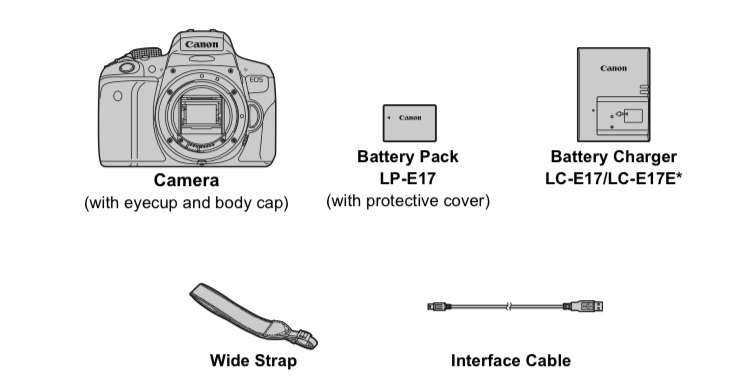
For photography I use a Canon 750D which is a Digital Single-Lens Reflex (DSLR) camera. This camera provides me with basic features in order for me to further develop my photography skills.
Within the first few weeks of photography we, as a class, were introduced to Shutter Speed, Aperture and Iso and White balance. This being the three key elements of photography.
The Exposure Triangle (Shutter Speed, Aperture and ISO)
When producing an image its vital you balance all three of these components in order to produce the best possible images.
Shutter Speed: shutter speed is the amount of time that the camera shutter is open, to expose the light into the camera sensor. If you use a fast shutter speed moving objects look to appear as still images. Whereas, a slow shutter speed is used to create a more of a blurred effect. During this module we have primarily used fast shutter speed as we want to capture the action from sport events in a still photo, rather than using slow shutter speed meaning we would not capture the action of the sport.
Aperture: aperture is a small hole within the lens of the camera which light passes into. It is measured using the ‘f-stop’ setting on DSLR’s (the cameras we use). The maximum aperture on the cameras we use (Canon 750D) is f22, whereas the minimum is f3.5. the smaller the F number is means that it lets in more light, whilst the bigger the F number lets in less light. With the increase in aperture the photograph you take will be sharp, whilst the background will be blurry. This provides the ultimate focus to the subject in the photograph. When your taking photographs with a low aperture however, the subject will be clear as well as anything in the background.
ISO: ISO is the sensitivity of a camera to available light. A high ISO means a higher sensitivity to light, whereas a lower ISO means a lower sensitivity to light. On the 750D cameras we are using the ISO options start from AUTO, 100, 200, 400, 800, 1600, 3200, 6400, 128000. Whilst taking photographs at the sport park I tend to use the AUTO option as a safety blanket for me as I have never used a camera other than the camera on my iPhone. During the winter at the sport park it gets dark very quick which meant I had to change my ISO settings a lot in order to get the best possible photographs. I could’ve also have used photoshop to alter the photos and remove any ‘noise’ from photos.
White Balance: white balance allows you to alter the colour in your photographs. Due to different light sources having different colours the white balance helps by making the photographs colours appearing balanced. Digital cameras have options to change the white balance to best suit the colour of the photograph. Some of the white balance settings include: Auto, Fluorescent, Daylight, Cloudy, Tungsten, Flash and Shade.
Introduction to basic kit:
The basic kit a sports photographer will use will include: the camera, a tripod, a couple of batteries, a USB lead, a microphone, a battery charging kit, and a waterproof cover. For my course I will be using the Canon 750D kit. I have used this camera on Wednesdays when I attend the sport park, I have made use of the waterproof covers a lot as I’m almost always outside taking photos. One football game in particular there was torrential rain and I had to make use of the waterproof covers which at the time was a struggle for me. I felt like I couldn’t get the best possible images with the cover on and I was reluctant to using it. However, once I got used to the covers, I actually produced very good photos that were used on ExpoSport. I haven’t had a chance to use things such as the microphone and tripod as I haven’t been tasked with doing so yet. However, I have learned how to use the both of them and I’m keen to use them in the future for interviews and still pictures such as portraits.
Importance of photography in journalism:
Photography in journalism has become very important as the quality of cameras and journalism have improved. The idea that a quality image can accompany any piece of journalism is thought to further improve the piece of journalism. A piece of journalism that a reader may not have been interested in to start with may provoke interest when accompanied with a good image to round of the piece of journalism. A photograph can help to tell the story of what the text is trying to say. For example, if an article is focusing on a certain individual, it would make sense that you would accompany the piece with a photo of them, whether it’s a portrait shot, or an action shot of them playing their sport etc.
Bruno Barbey (2017) states that; Photography is the only language that can be understood anywhere in the world.’
Introduction to iPhone photography:
With the ever-evolving word of technology iPhones have quickly become the most popular phone in the world. Apple bring out a new model of an iPhone almost every year and the cameras on these phones are quickly becoming as good of quality as a digital camera. An iPhones camera can do many of the same things a DSLR can. The only obvious difference is that the zoom isn’t quite the same quality of a digital camera. When zooming on an iPhone camera, you can see the quality of the image slowly decreasing.
There are a variety of different settings you can use on iPhones that change the photos produced. These different options are: Square, panoramic, burst, and live images.
Square: this is the option to give your photo a squared frame. A simple feature however very effective for different photos.
Panoramic: this feature allows you to take a photo of something that would be too wide to fit into as single framed shot. You must simply move the camera from right to left to cover what you want to take a photo of until it’s in one single shot.
Burst: this is the feature I use the most when taking photos of sport. This feature allows me to take numerous images at once. This allows me to capture shots of moving images in order to get the best shot.
Live Images: this is a fairly new feature on an iPhone. This feature allows you to take a photo and then when looking back at the photo, if you hold the image it will present it back as if it were a small video.
Environmental Portraiture:
An environmental portrait is a portrait that is taken in a subject’s environment based on what they do for a job etc. For example, a football player may have a portrait shot holding a football, or leaning against goal posts etc. The portrait should make it obvious what sport the subject is involved in. Whilst we were in class, we were tasked with taking environmental portraits of our classmates.
As we are all students we automatically gravitated to the library. We positioned subjects sat down in the library surrounded by books whilst reading a book. This was to show that we are students and that we are studying. The use of the books around us made sure that when people viewed the image that they would understand we were a part of the academic sector.

I took a photo over the shoulder of my classmate Rhianna to capture what went on behind the scenes to shoot the perfect picture. Although her face isn’t in the frame, I was focusing on the background work that went on to produce the perfect portrait shot.
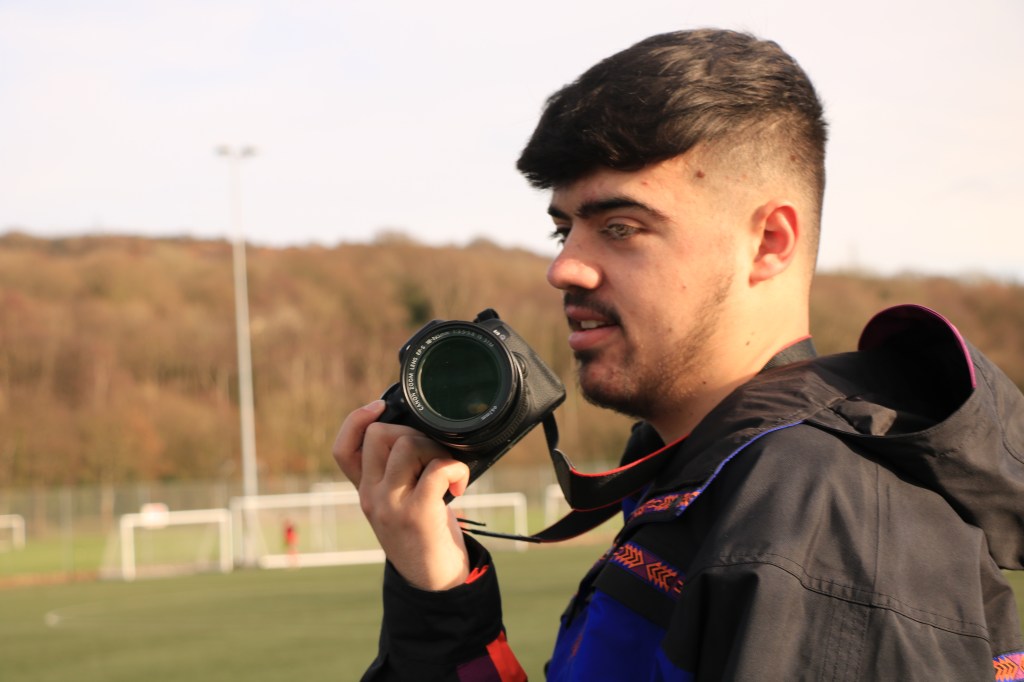
Whilst at the Sport Park myself and Joshua were tasked with photographs. I used this opportunity to also take portrait shots. I wanted to capture Joshua taking photos to show in the portrait he himself is also a photographer.
Flash Techniques:
During class we looked at how flash can be used to further enhance the quality of our images when lighting isn’t at its best. On the DSLR cameras we use have a built-in flash, and we also have access to flashguns which have to be attached to the top of the camera.
The built-in flash on the DSLR is good, however it only covers a certain range. Whereas the flash guns can cover a wider range.
Although the flash guns are very good to use in order to capture the best possible image when the image would’ve turned out fairly dark, the flash can also be so strong that they make the images to bright. This is why it’s very important to make sure you get the balance right. In simpler terms, if there is a lot of light when photographing you must ensure the flash power is low to ensure the image doesn’t come out too bright.
The flashguns have two settings which are manual and through-the-lens (TTL). The manual setting where you choose the power level of the flash gun yourself. Whereas, Through-the-lens is more of an automatic mode, meaning the flash gun will alter the flash based off the light that’s already been reflected.
Sports Photographers and Journalists:
Marc Aspland:
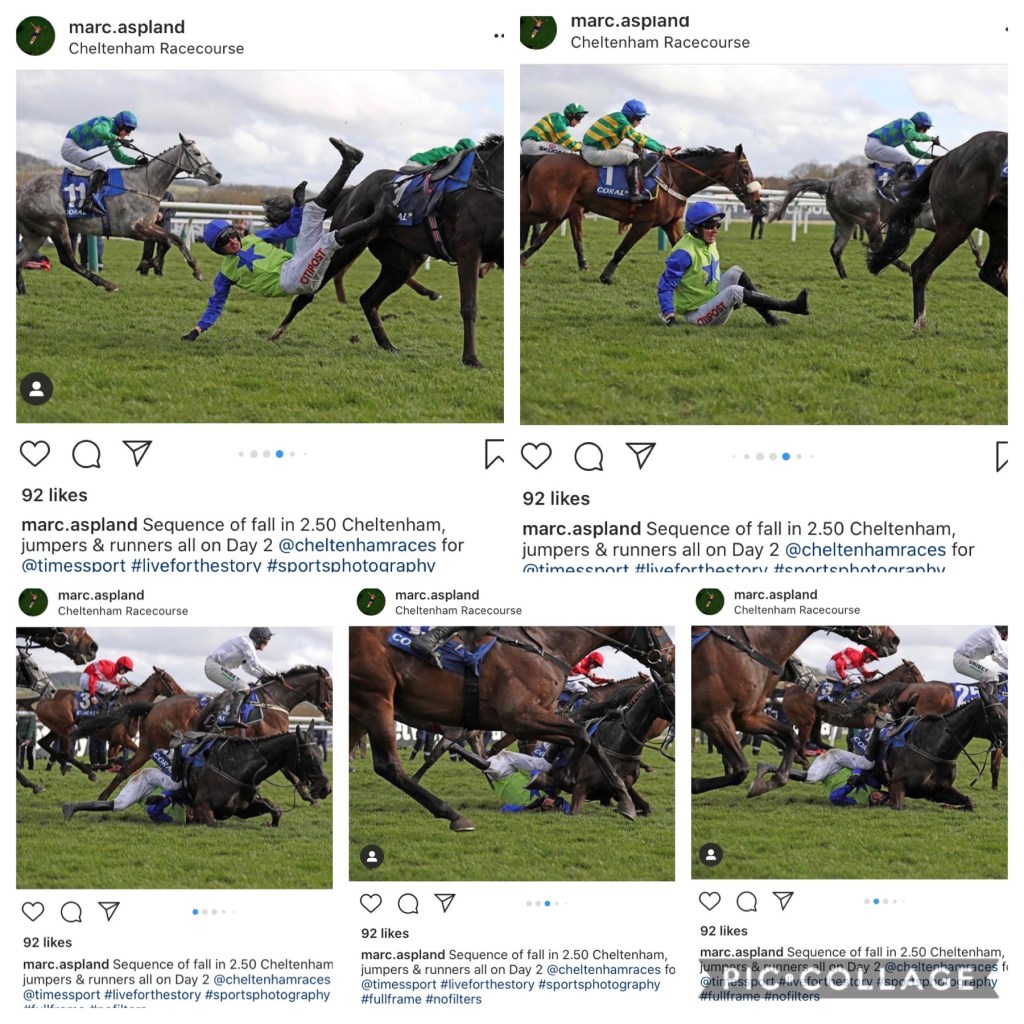
Marc Aspland is a photographer that uses his social media to promote his images. His Instagram especially shows off his photography skills indefinitely. Marc is the chief sports photographer for The Times. In my opinion Marc is most definitely one of the best sports photographers around at the moment. When looking at his work I’m intrigued by how he’s uses his social media to engage with sports fans. Knowing that his social media posts have a great response I will definitely look to use my Instagram to promote my work. Marc used great use of the burst feature on Instagram with this post. He highlights the fall of a horse and jockey at Cheltenham Festival 2020. When promoting my photographs, I will almost mimic his strategies in order to receive the best possible feedback for my photographs.
Darren Heath:
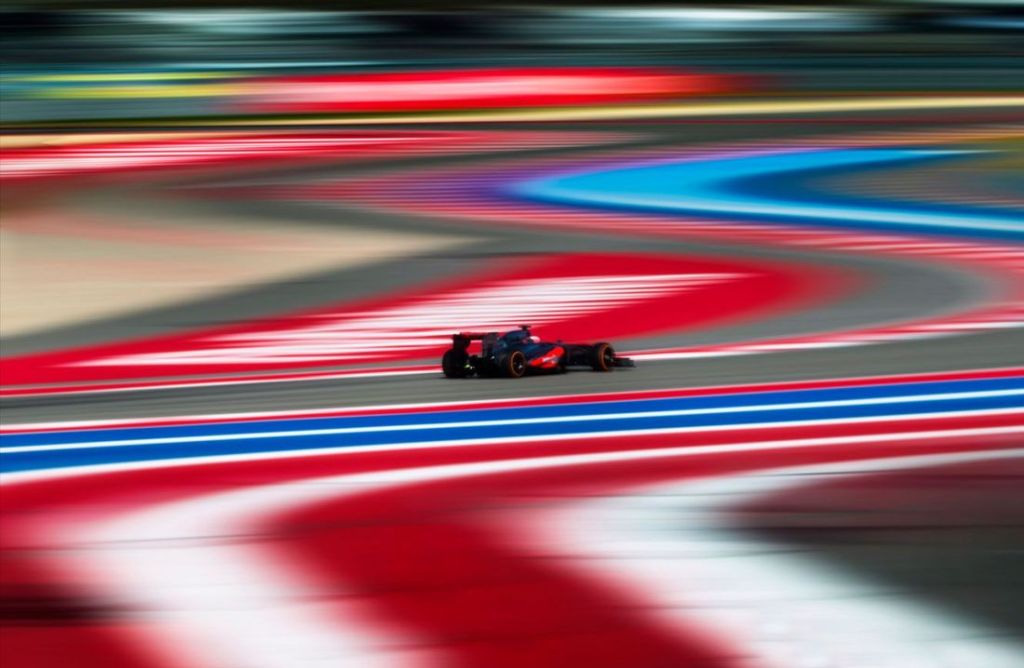
Darren Heath is a sports photographer that specialises in capturing automotive photographs, paying close attention to F1. Darren
has won many prestigious awards for his photography. He seems to use natural lighting in order to further enhance his photographs. The photo I used was from McLaren racing Santander British Grand Prix 2014. I used this image as I think it captures many colours and yet it focuses on the car. The use of natural light is evident. Knowing I photograph sports that are at a fast pace and that are outside I will aim for photos that look just like this in order to paint the perfect picture of the game whilst focusing on one thing in particular.
Adam Pretty:
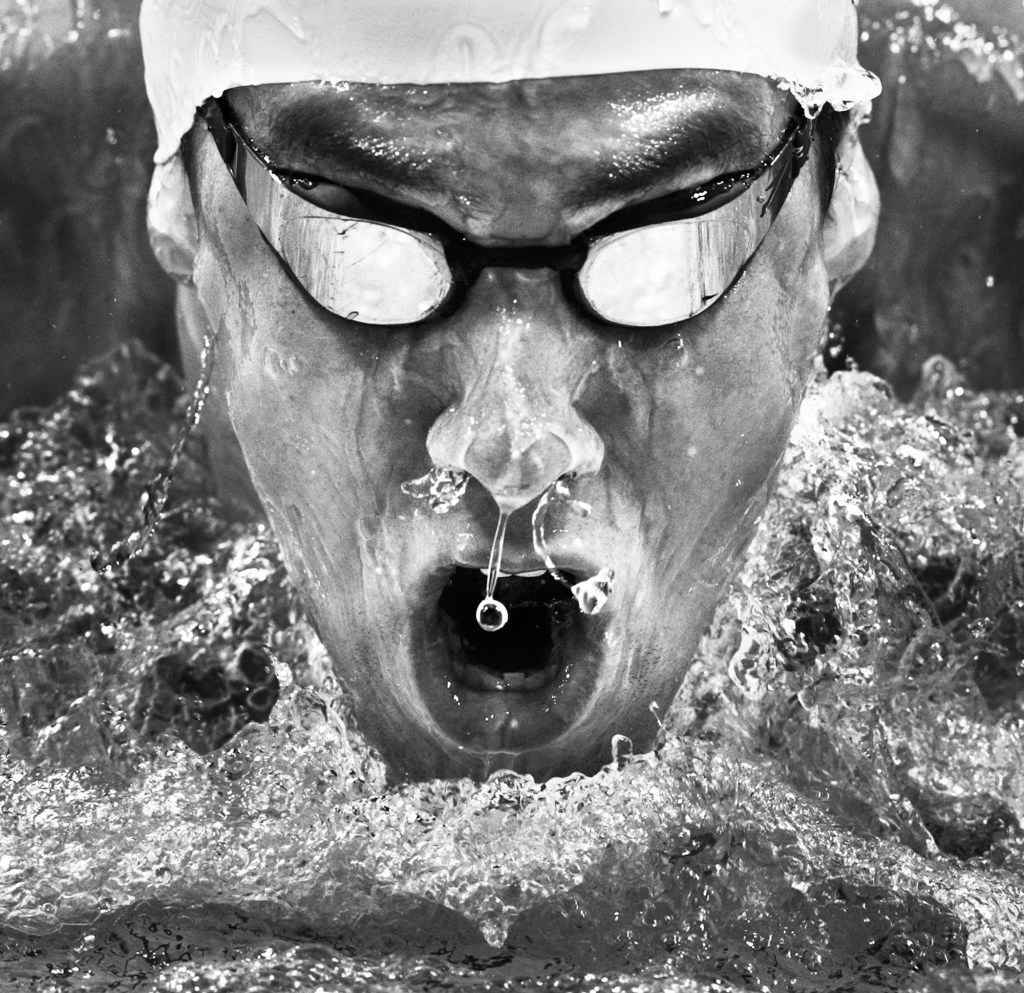
Adam Pretty has worked for a number of elite news outlets across the world, including Time Magazine, Life Magazine, Marie Claire, Harper’s Bazaar and sports illustrated. He worked very closely with the Olympics and covered over seven Olympic games. However, in the last few years he has stepped away from sports photography and had now focused on I’m
ages used to advertise. Brands such as Nike, Adidas and BMW. The image I have used from Adam Pretty is from the LONDON 2012 OLYMPIC GAMES. I used this image as its perfectly timed and the detail of the water is very effective. I’ve noticed that Adam uses a black and white effect on a lot of his images. When I take some portrait shots, I’m going to apply this effect to see whether it enhances the photo.
Contact sheets and Photoshop:
Contact sheets are used in order to have all images on one sheet rather than having to flick through a slideshow to find the best possible image. These are important as it makes it easier for people to review your images that you’ve taken.
As well as making contact sheets we were also shown how to clean images. This is an important lesson as not all the photographs we take will be perfect. All too often RAW images will not have the correct exposure or lighting and aren’t suitable to be published.
With photoshop we can alter the image a lot. We can alter the brightness, colours, contrasts, crop, white balance and spot healing. All of these features are vital when producing the best possible image.
The photoshop app I use on my MacBook Air is called ‘photo image editor pixel style’. This app allows me to clean images and alter them to further improve the image.

Five Picture Story:
This task was given to us to create a story from 5 images. These images must be, an establishing shot, a portrait shot, and action shot, a medium shot, and a close up shot. With a virus spreading around the world I haven’t yet been able to shoot my five-picture story however I have a plan for what I’m going to do.
The establishing shot will be a photograph of my house. This is to show the confinement of my family being stuck within the house.
A portrait shot will be of my sister opening the front door to the house. An action shot will be of my mother cooking food for the family. For the medium shot, I will pay close attention to my dog. This will show how everyone in my family including my pet are being held hidden behind four walls. The close up shot, will be of all of my families’ hands holding each other. This is to show solidarity in a time of crisis for the world.
Reference List:
2002-2017., C., 2020. Marc Aspland: ‘The Art Of Sports Photography’ – Canon Professional Network. [online] Canon Professional Network. Available at: <https://cpn.canon-europe.com/content/interviews/marc_aspland_on_sports_photography.do>
adampretty.com. 2020. Adampretty.Com. [online] Available at: <http://www.adampretty.com>
Heath, D., 2020. Darren Heath Photography | Formula 1 Photographs, F1 Images, Formula One Photographer. [online] Darren Heath Photography. Available at: <https://www.darrenheath.com>
Magnum Photos. (2018). Bruno Barbey • Photographer Profile • Magnum Photos. [online] Available at: https://www.magnumphotos.com/photographer/bruno-barbey/
Heath, D., 2020. 2019 Season Formula 1 Photographs | F1 Photos By Darren Heath. [online] Darren Heath Photography. Available at: <https://www.darrenheath.com/2019>
 Hayley's Sports JournalismUSW